Kaziranga National Park

The Home of the Great One-Horned Rhinoceros A UNESCO World Heritage Site

Est. 1974
430 Sq. km
Rhino Sanctuary
480+ Bird Species

Kaziranga Online Safari Booking

Pick a date to continue Kaziranga safari booking.

Kaziranga is closed for monsoon season and typically reopens in October/November. You can still browse dates for the upcoming season.
Open full booking
Available Busy Closed

Click an available date to continue checkout with that date filled.

View all safari options

Compare Rates & Safari Options

Book jeep & elephant safaris for Kohora, Bagori, Agaratoli & Burapahar.

Park closed during monsoon (typically May–Oct). Reopens in October/November. Jeep slots: 7:30–9:30 · 9:30–11:30 · 1:30–3:30 · 2:30–4:30. Elephant: 5–6 AM or 6–7 AM.
Jeep Safari

Open Jeep — up to 6 Seats

Indian (from) ₹4,000 / jeep
Foreigner (from) ₹7,700 / jeep
  • Kohora · Bagori · Eastern · Burapahar
  • Morning & afternoon slots (2–3 hrs)
  • Max 6 persons per jeep

Jeep, driver, permit, entry & taxes included

Book Jeep Safari
Elephant Safari

Elephant Ride — 1 Hour

Indian (from) ₹1,900 / person
Foreigner (from) ₹4,000 / person
  • Kohora & Bagori ranges
  • 5–6 AM or 6–7 AM (slot confirmed evening before)
  • Best for close-up rhino sightings

Elephant, mahout, permit & entry included

Book Elephant Safari
Same ID used at booking required at gate
Once issued, permit is non-refundable
Arrive 30 mins before safari time

About Kaziranga National Park

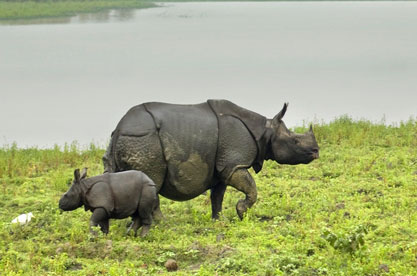
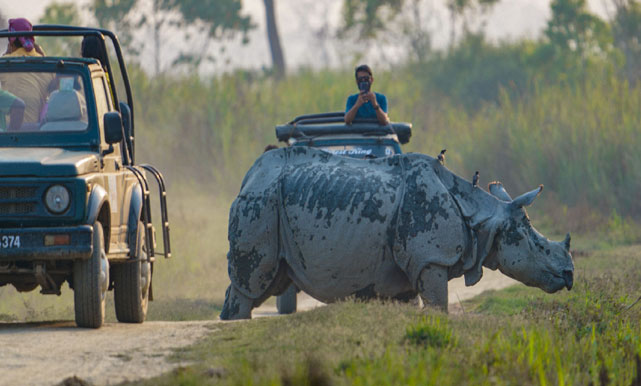
Kaziranga National Park, located in the Golaghat and Nagaon districts of Assam, is one of India's most celebrated wildlife destinations. Spread over 430 sq. km, it is a UNESCO World Heritage Site and home to the world's largest population of the Indian One-Horned Rhinoceros. The park is also a haven for elephants, tigers, wild water buffalo, swamp deer and over 480 species of birds.

Kaziranga was declared a Reserved Forest in 1905 to protect the Great Indian Rhinoceros from extinction. It was established as a Wildlife Sanctuary in 1916 and later declared a National Park in 1974. In 1985, it earned UNESCO World Heritage status in recognition of its outstanding universal value and rich biodiversity — a perfect blend of wilderness, culture and natural beauty.

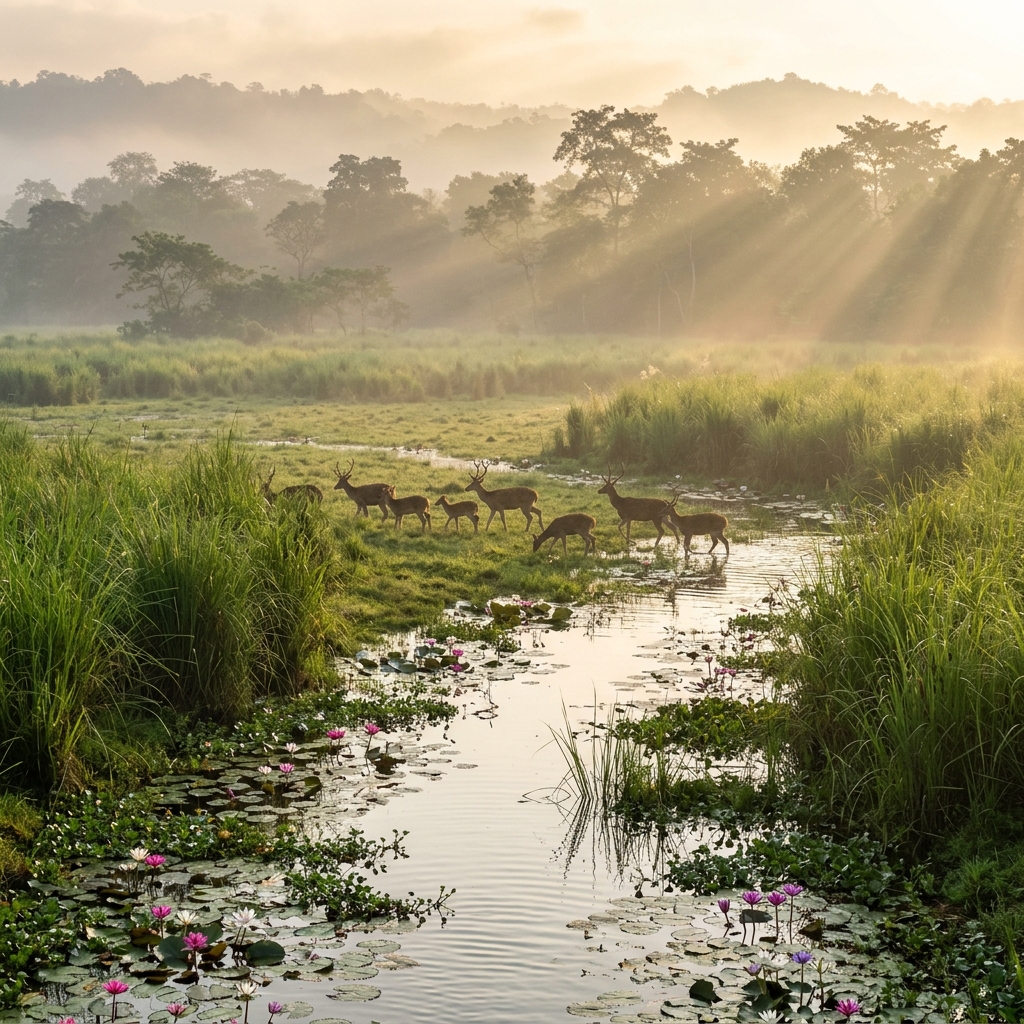
Kaziranga Scenic Wetland Grassland
Types of Safari Available

Jeep Safari

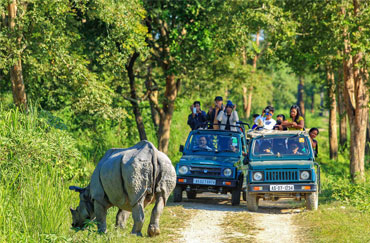
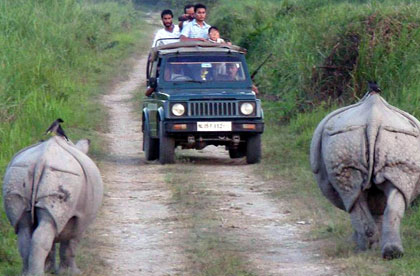
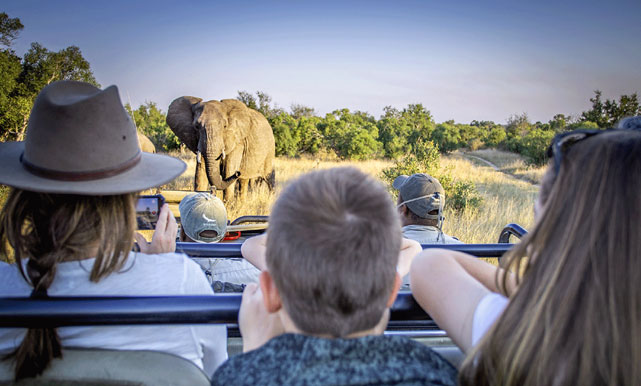
Kaziranga offers thrilling jeep safaris through grasslands and wetlands, famous for one-horned rhinoceroses and rich wildlife. Guided rides operate in designated zones, especially Central and Western, giving chances to spot elephants, tigers and birds. Morning and evening slots provide optimal sightings — advance booking is recommended during peak season.

Elephant Safari

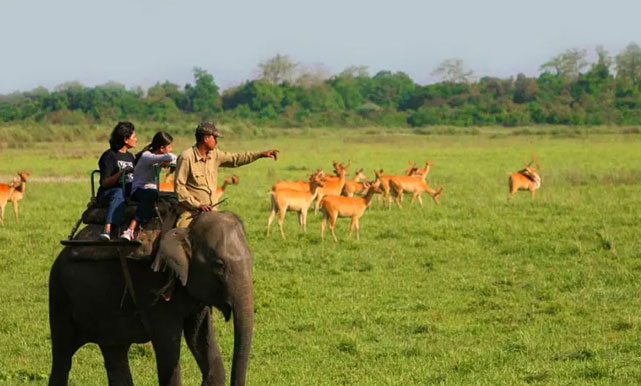
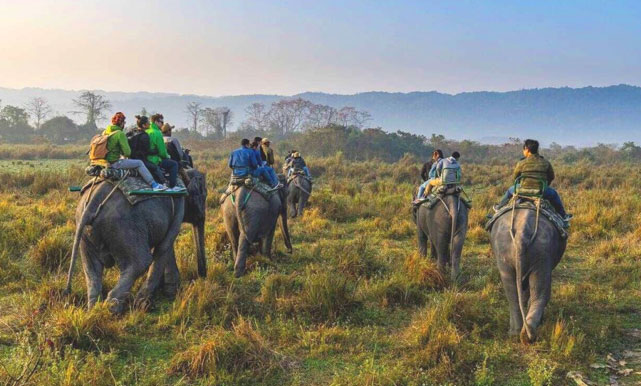
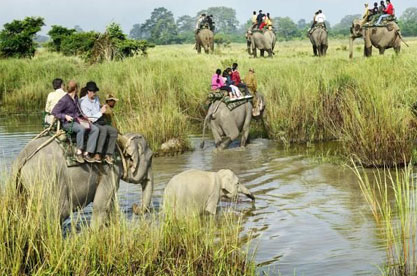
A peaceful early-morning ride on the back of an elephant through tall elephant grass in Kohora and Bagori ranges. Elephant safaris offer unparalleled close-up encounters with grazing one-horned rhinoceroses and are among the most popular wildlife experiences in Assam.

Elephant safari through Kaziranga wetlands
Elephant Safari Early morning · Kohora & Bagori
Best Safari Ranges in Kaziranga
Kohora Range

Kohora Range

Kohora Range

The Central Zone (Kohora) is one of the core areas of Kaziranga and the preferred range for jeep and elephant safaris. The probability of seeing tiger, one-horned rhinos, wild buffalo and swamp deer is high here — with vast grasslands, beels and riverine woodlands making it ideal for first-time visitors and photographers.

Bagori Range

Bagori Range

Bagori Range

Bagori Ecotourism Range is known for the best wildlife sighting, magnificent landscapes, lush greenery and a water body (pond) that attracts animals. Rhino, tiger and other species are easily sighted — a major hub for jeep safaris with dramatic close-up wildlife encounters.

Agaratoli Range

Agaratoli Range

Agaratoli Range

Located along the national highway on the eastern side of the park. One jeep safari ride is permissible here. It is a noted zone for wildlife photographers — with diverse woodlands, cane brakes and water bodies like Sohola Beel attracting migratory birds and buffalo herds.

Ghorakati Range

Ghorakati Range

Ghorakati Range

Located around 40 km from Central Range. Entry gate is in Ghorakati village on the National Highway. Known for jeep ride, elephant ride and trekking through hilly forest terrain — offering a distinct adventurous experience with primate and bird sightings.

Click on "Click to know more" to explore detailed information about the range.

How to Reach Kaziranga

By Air Nearest airports are Jorhat Airport (97 km) and Guwahati Airport (220 km).
By Rail Nearest railway stations are Jakhalabandha (19 km) and Furkating (75 km).
By Road Located on NH 37, connected by bus from Guwahati (220 km), Jorhat (97 km), Tezpur (50 km).

Best Time to Visit

Winter (Nov - Feb) Best weather, clear skies, pleasant safari rides.
Spring (Mar - Apr) Tall grass is burned by the forest department, offering excellent visibility.
Monsoon (May - Oct) Highly flood-prone, the park remains strictly closed.
Kaziranga Tour Packages
Kaziranga Fun Tour with 1 Jeep Safari Kaziranga Fun Tour with 1 Jeep Safari

Kaziranga Fun Tour with 1 Jeep Safari

1 Night / 2 Days • 1 Jeep Safari
Kaziranga Fun Tour with 1 Elephant Safari Kaziranga Fun Tour with 1 Elephant Safari

Kaziranga Fun Tour with 1 Elephant Safari

1 Night / 2 Days • 1 Elephant Safari
Kaziranga Fun Tour with 1 Elephant & 1 Jeep Kaziranga Fun Tour with 1 Elephant & 1 Jeep

Kaziranga Fun Tour with 1 Elephant & 1 Jeep

1 Night / 2 Days • 1 Elephant & 1 Jeep
Kaziranga Holiday Tour Package Kaziranga Holiday Tour Package

Kaziranga Holiday Tour Package

2 Nights / 3 Days • 1 Jeep & 1 Elephant
Kaziranga Weekend Tour Kaziranga Weekend Tour

Kaziranga Weekend Tour

2 Nights / 3 Days • 2 Jeep Safaris

View all Kaziranga tour packages

Frequently Asked Questions
1. Where is Kaziranga National Park located?
Kaziranga National Park is located in the Golaghat, Karbi Anglong, and Nagaon districts of the state of Assam in northeastern India. It is situated along the southern banks of the Brahmaputra River.
2. Why is Kaziranga globally famous?
Kaziranga is a UNESCO World Heritage Site globally famous for conserving the great Indian One-Horned Rhinoceros. It is home to over 2,600 rhinoceroses, which represents about two-thirds of the world's total population.
3. Is Kaziranga open all year round?
No, Kaziranga National Park is closed to tourists from 1st May to 31st October every year. This is because the Brahmaputra River floods the low-lying grasslands during the monsoon season, making safaris dangerous and roads inaccessible.
4. What type of safaris are available in Kaziranga?
The park offers Jeep safaris (conducted in the morning and afternoon) and early morning Elephant safaris. Elephant safaris are highly popular as they allow you to travel off-track into the tall grass for close rhinoceros viewing.
5. What safari ranges exist in Kaziranga?
There are four main tourism ranges: Central Range (Kohora) - famous for mixed landscapes, Western Range (Bagori) - famous for dense rhino sightings, Eastern Range (Agartoli) - famous for birding and tigers, and Burapahar Range - famous for primates and trekking.
6. Are tigers found in Kaziranga?
Yes, Kaziranga has a healthy population of Royal Bengal Tigers and was declared a Tiger Reserve in 2006. It features one of the highest densities of tigers among protected areas in India, though sightings require patience due to the tall elephant grass.
7. How can I book a safari permit for Kaziranga?
Safari permits can be booked online in advance via authorized wildlife operators or locally at the forest department booking counters in S Kohora. Booking early is strongly advised, especially for elephant safaris which have highly limited seats.
8. What ID proof is required?
Indian citizens must present a valid government-issued photo ID (Aadhaar, Voter ID, Driving License, or Passport). Foreign nationals must carry their original Passport and Visa. The document details must match your booking permit.
9. What should I wear on a Kaziranga safari?
Wear light and comfortable clothing in earthy or natural tones like khaki, forest green, brown, and beige. Carry sunglasses, a hat, and a dust mask. For early morning elephant safaris in winter (Nov-Jan), warm jackets and windcheaters are essential.
10. Can I see the Ganges River Dolphin here?
Yes. River boat cruises are conducted along the northern boundary of the park in the Brahmaputra River where the endangered Ganges River Dolphin can occasionally be seen surfacing.
Best Price Guarantee
Instant Confirmation
24/7 Customer Support
Trusted by 10,000+ Travelers