Ranthambore National Park

The Land of Forts and Tigers Where History Meets Wilderness

Est. 1980
1411 Sq. km
Tiger Reserve
Rich Biodiversity

Ranthambore Safari Booking

Pick a date to continue Ranthambore safari booking.

Open full booking
Available Busy Closed

Click an available date to continue checkout with that date filled.

View all safari options

Compare Rates & Safari Options

Book Jeep or Canter permits for Zones 1–10 with instant confirmation.

Safari closed Tuesday (Zones 6–10) & Wednesday (Zones 1–5). One zone allotted per booking. Monsoon (Jul–Sep): buffer zones 6–10 operational.
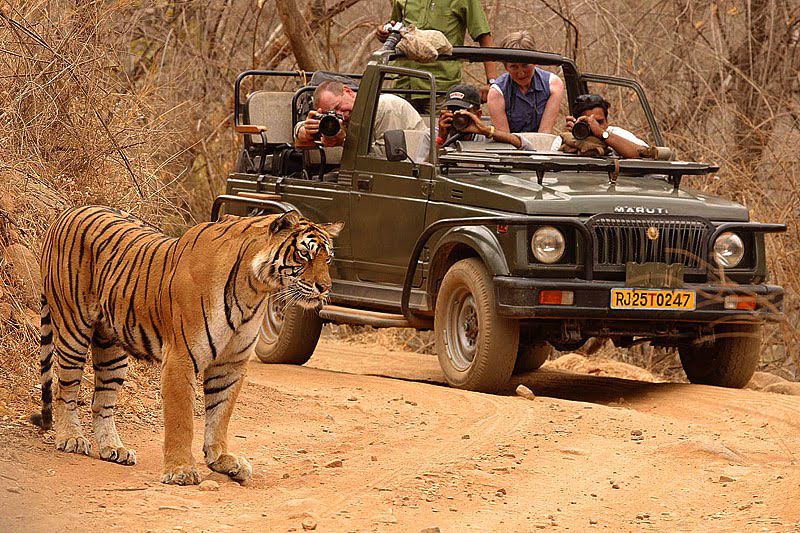
Jeep Safari

Private Gypsy — 6 Seats

Indian ₹2,200 / seat
Foreigner ₹4,500 / seat
  • Zones 1–10
  • Morning 7:00–10:30 · Evening 2:00–5:30
  • Max 6 persons + 2 children (under 5)

Jeep, driver, permit, guide fee & taxes included

Book Jeep Safari
Canter Safari

Shared Canter — 20 Seats

Indian ₹1,600 / person
Foreigner ₹3,800 / person
  • Zones 1–10
  • Morning 7:00–10:30 · Evening 2:00–5:30
  • 20 seats — shared group experience

Canter, driver, permit, guide fee & taxes included

Book Canter Safari
ID proof mandatory at gate
Mobile phones banned on safari
Pick & drop not included

About Ranthambore National Park

In the Sawai Madhopur district of Rajasthan, Ranthambore National Park is an iconic wildlife destination and one of India's most famous tiger reserves. The total area is 1,411.28 sq. km, with 1,113.36 sq. km of core area, spread across the Aravali hills and Vindhya plateau.

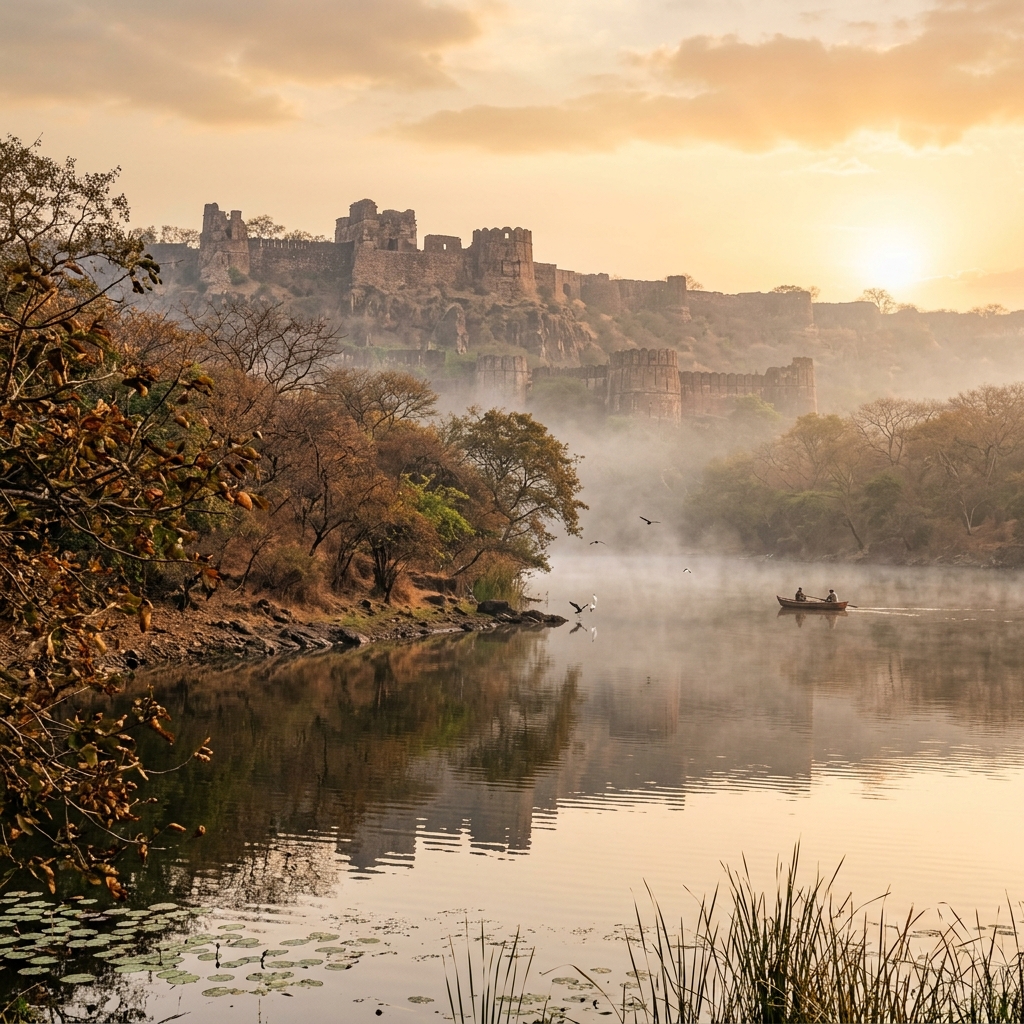
Apart from rich wildlife, Ranthambore uniquely blends nature with history — the Ranthambore Fort, Padam Talao and Jogi Mahal stand amid thriving Bengal tiger habitat. Easy access from Delhi (361 km) and Jaipur (175 km) makes it a preferred destination for wildlife enthusiasts and explorers.

Ranthambore Scenic Fort Lake
Types of Safari Available

Jeep Safari

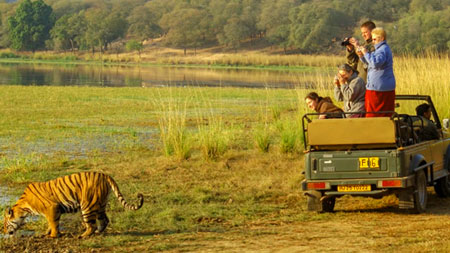
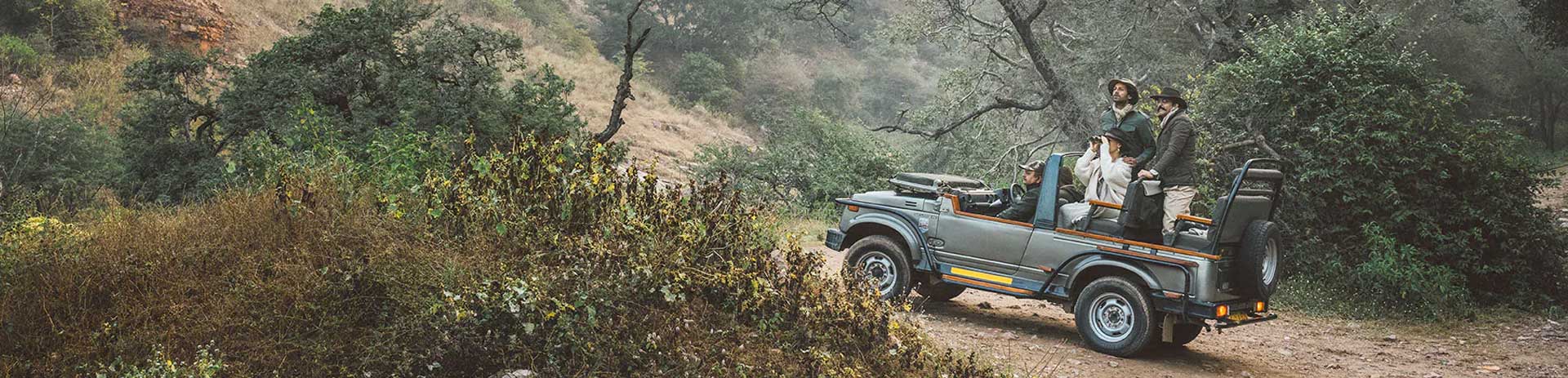
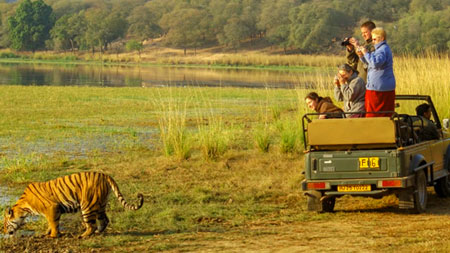
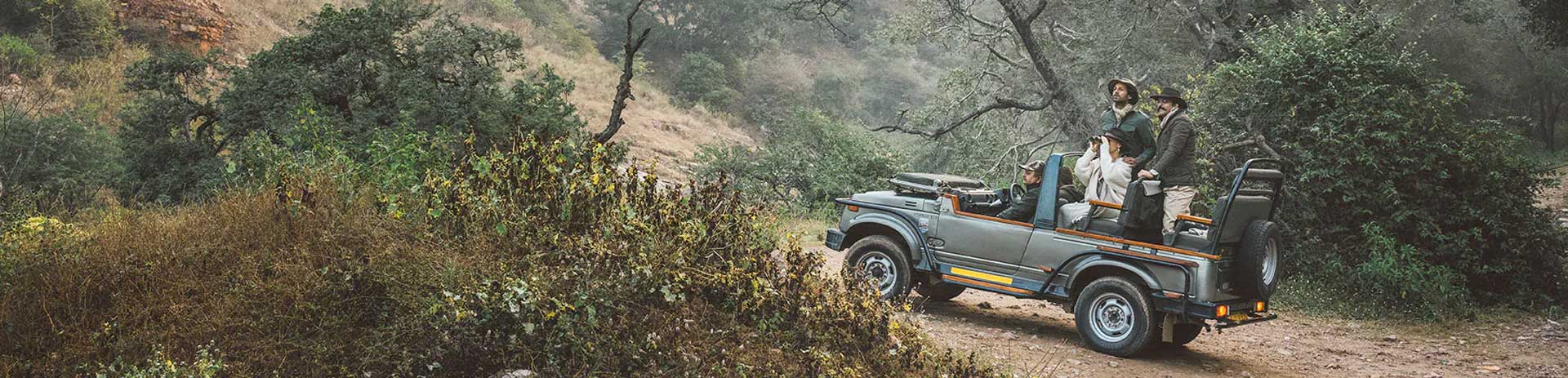
A jeep safari in Ranthambore offers an exciting way to explore rich wildlife and scenic landscapes. Conducted in open 4x4 vehicles through dense forests, lakes and ancient ruins, visitors can spot tigers, leopards, deer and birds — ideal for nature and wildlife enthusiasts.

Canter Safari

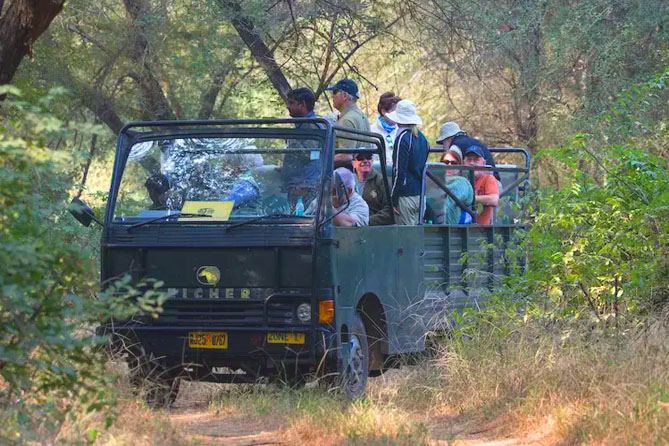
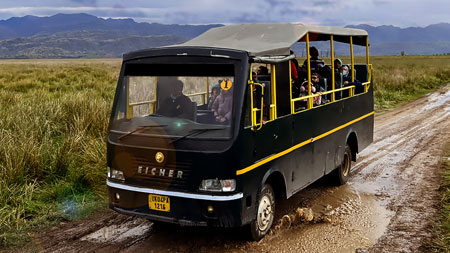
Ranthambore Canter Safari is a budget-friendly group safari in a 20-seater open bus with access to popular tiger zones, guided by forest experts. Ideal for larger groups — advance booking is strongly recommended due to limited permits.

Ranthambore Canter Safari vehicle in the forest
Canter Safari 20-seater open bus · Zones 1–10
Best Safari Zones in Ranthambore
Zone 1

Zone 1

Zone 1

Zone 1 is a highly popular safari route through Singh Dwar gate. Key areas include Singhdwar, Raipur, Sultanpur and Kalapan. Dry deciduous forest, scrublands and rocky hills with water points like Tuti Lala make it a prime tiger territory — excellent for jeep and canter safaris.

Zone 2

Zone 2

Zone 2

Zone 2 is one of the most active and rewarding safari zones in Ranthambore, famous for its scenic beauty and high probability of tiger sightings. This zone shares borders with the ancient Ranthambore Fort, providing a historic backdrop to wildlife encounters. It features key water holes and geographic highlights like Jogi Mahal, Lahpur, Nal Ghati, and Phuta Kot. The diverse landscape contains dense forest patches, deep rocky paths, and open water bodies, making it a preferred territory for tigers like T-60 and T-57. Visitors can also spot leopards, marsh crocodiles, blue bulls (nilgai), and spotted deer. Jeep and canter safaris run daily, offering a perfect blend of historic exploration and exciting wildlife tracking along the fort walls.

Zone 3

Zone 3

Zone 3

Zone 3 is widely regarded as the most picturesque and sought-after zone in Ranthambore National Park. It is famous for its three beautiful lakes—Padam Talao, Raj Bagh Talao, and Malik Talao—with the majestic ruins of Ranthambore Fort towering in the background. The historic Jogi Mahal is located at the edge of Padam Talao, where wild animals are frequently seen drinking. This zone was once the territory of the legendary tigress Machli and is currently home to her descendants. Tigers are often spotted hunting deer in the shallow lake waters or resting near the lakeside ruins. Due to its stunning landscapes, water bodies, and high tiger activity, Zone 3 is a dream destination for photographers and is highly recommended for all visitors.

Zone 4

Zone 4

Zone 4

Zone 4 is a premier safari zone in Ranthambore, offering spectacular landscapes and outstanding opportunities for tiger sightings. The route passes through the Singh Dwar gate and runs along the scenic Raj Bagh lake. It features deep valleys, flat grasslands, and water bodies like Lakkad Da. Historically, this zone was a favorite hunting ground for the royals, and it retains a rugged, untouched forest atmosphere. Tigers like T-19 (Krishna) and T-28 (Star) have ruled this territory. Visitors frequently spot wildlife such as sloth bears, langurs, leopards, marsh crocodiles, and various species of eagles and water birds. Jeep and canter safaris here are highly exciting and offer close-up views of tigers navigating the rocky, forested paths.

Zone 5

Zone 5

Zone 5

Zone 5 is a highly active safari zone that shares its boundaries with Zone 4. The forest paths here are characterized by dry deciduous trees, small water reservoirs, and rocky ridges, creating an ideal habitat for Ranthambore's apex predators. It is accessed through the Singh Dwar gate and features routes like Bakola, Jokha, and Anatpura. Due to the overlapping territory with Zone 4, tiger movement is frequent, with regular sightings of prominent tigers and their cubs. The zone is also home to leopards, jackals, sambar deer, and spotted deer. The quiet forest trails, shaded by ancient banyan trees, provide a serene and authentic connection with nature, making Zone 5 an excellent choice for a rewarding wildlife safari.

Zone 6

Zone 6

Zone 6 (Kundal)

Zone 6, also known as the Kundal range, is a relatively new safari zone located in the buffer area of Ranthambore National Park. It features a unique landscape of rocky hills, steep valleys, and dry scrub forests, which are different from the lake zones. This zone is particularly famous for sightings of leopards, striped hyenas, and sloth bears, which thrive in the rocky crevices. However, tiger activity has also increased significantly here, with tigers like T-34 (Kumbha) frequently spotted patrolling the hilly tracks. Safaris are conducted via open jeeps and canters. The dramatic, elevated viewpoints in Zone 6 offer breathtaking panoramic views of the surrounding countryside, making it a favorite for landscape photographers and adventurers.

Zone 7

Zone 7

Zone 7 (Chidikho)

Zone 7 (Chidikho) is a buffer safari zone with rocky hills, ravines and scrub forest. It is known for leopard and sloth bear sightings, with rising tiger activity along water points and valleys. Ideal for visitors seeking quieter trails away from the busiest core lakes — jeep and canter safaris operate here, including during monsoon when buffer zones remain open.

Zone 8

Zone 8

Zone 8 (Balas)

Zone 8 (Balas) is a popular buffer zone with mixed forest, grasslands and rocky outcrops. Tiger movement has improved here in recent years, alongside deer, nilgai, wild boar and peafowl. The zone offers scenic drives and good photography light, and remains bookable in monsoon when core zones (1–5) stay closed on seasonal schedules.

Zone 9

Zone 9

Zone 9 (Kutal)

Zone 9 (Kutal) features undulating terrain, dry deciduous cover and open patches that favour predator tracking. Visitors often spot tigers, leopards, sambar and birdlife along quieter forest tracks. It is a strong option when core-zone permits are sold out, and forms part of the buffer circuit open through much of the monsoon period.

Zone 10

Zone 10

Zone 10 (Aantri)

Zone 10 (Aantri) is the outermost buffer safari zone, known for rugged landscapes, sparse crowds and rewarding wildlife moments. Tiger and leopard sightings are possible along with deer, antelope and rich birdlife. Perfect for guests wanting a calmer safari experience — jeep and canter options are available, and the zone stays operational when monsoon restricts core areas.

Click on "Click to know more" to explore detailed information about the zone.

How to Reach Ranthambore

By Air The nearest airport is Jaipur International Airport (approx. 175 km).
By Rail The nearest railway station is Sawai Madhopur (10 km).
By Road Well connected by road from Jaipur (175 km), Delhi (361 km) and Agra.

Best Time to Visit

Winter (Oct - Mar) Cold mornings and pleasant days, perfect for general travel.
Summer (Apr - Jun) Hot weather but excellent tiger sightings near lakes.
Monsoon (Jul - Sep) Core zones remain closed during monsoon.
Ranthambore Tour Packages
Ranthambore Tour With 1 Canter Safari Ranthambore Tour With 1 Canter Safari

Ranthambore Tour With 1 Canter Safari

1 Night / 2 Days • 1 Canter Safari
Ranthambore Tour With 1 Jeep Safari Ranthambore Tour With 1 Jeep Safari

Ranthambore Tour With 1 Jeep Safari

1 Night / 2 Days • 1 Jeep Safari
Ranthambore Holiday Tour with 1 Canter Safari Ranthambore Holiday Tour with 1 Canter Safari

Ranthambore Holiday Tour with 1 Canter Safari

2 Nights / 3 Days • 1 Canter Safari
Ranthambore Holiday tour with 1 Jeep Safari Ranthambore Holiday Tour with 1 Jeep Safari

Ranthambore Holiday Tour with 1 Jeep Safari

2 Nights / 3 Days • 1 Jeep Safari
Ranthambore Holiday Tour with 1 Jeep & 1 Canter Safari Ranthambore Holiday Tour with 1 Jeep & 1 Canter Safari

Ranthambore Holiday Tour with 1 Jeep & 1 Canter Safari

2 Nights / 3 Days • 1 Jeep & 1 Canter Safari

View all Ranthambore tour packages

Frequently Asked Questions
1. Where is Ranthambore National Park located?
Ranthambore National Park is located near the town of Sawai Madhopur in southeastern Rajasthan, India. It is approximately 180 km from the state capital Jaipur.
2. How many safari zones are there in Ranthambore?
There are currently 10 safari zones in Ranthambore. Zones 1 to 5 are the core lake zones and are historically the most popular for tiger sightings, while Zones 6 to 10 are the hilly buffer zones that offer excellent scenic views and growing tiger populations.
3. Is Ranthambore open all year round?
No. The core safari zones (Zones 1 to 5) are closed during the monsoon season, from 1st July to 30th September. However, the buffer zones (Zones 6 to 10) remain open for tourists throughout the year.
4. Which is the best zone for tiger sightings?
Zones 2, 3, 4, and 5 are widely considered the best zones for tiger sightings due to the presence of large lakes (Padam Talao, Raj Bagh, Malik Talao) where tigers frequently roam. However, tigers are wild animals and sightings occur regularly in all zones depending on territory movement.
5. How far in advance should I book my safari?
Since there is a strict daily limit on the number of jeeps and canters allowed in each zone, it is highly recommended to book your safari permits at least 90 to 120 days in advance, especially if you wish to secure bookings in the popular core zones (1 to 5).
6. What is the difference between a Jeep and a Canter safari?
A Jeep safari uses an open 6-seater Gypsy, which is quieter, more maneuverable, and offers a more intimate wildlife experience. A Canter safari uses a larger open 20-seater bus, which is a budget-friendly option suitable for larger groups. Both travel the same safari paths.
7. Can I choose my safari zone during booking?
Yes, you can request specific zones during the online booking process, subject to availability. The forest department allocates the zones on a first-come, first-served basis, so early booking increases your chances of getting your preferred zone.
8. What ID proof is required for safari entry?
Indian nationals must carry a valid government-issued photo ID (Aadhaar Card, Voter ID, Driving License, or Passport). Foreign nationals must carry their original Passport and Visa. The ID details must match the booking permit exactly.
9. What should I wear on a Ranthambore safari?
You should wear clothing in neutral colors (khaki, olive, brown, beige) that blend with the forest. Avoid bright colors and strong perfumes. For winter safaris (Nov-Feb), carry warm layers (jackets, gloves, caps) as morning temperatures can drop significantly.
10. Can I cancel or reschedule my safari booking?
No, according to the Ranthambore Forest Department rules, once a safari permit is confirmed, it is strictly non-refundable, non-transferable, and cannot be rescheduled or modified under any circumstances.
Best Price Guarantee
Instant Confirmation
24/7 Customer Support
Trusted by 10,000+ Travelers